
Choosing The Right Ads Placements On Facebook
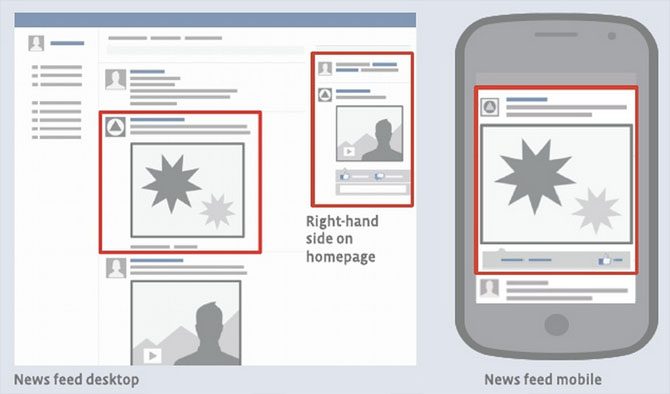
Understanding ads placements on Facebook is crucial for maximising your advertising success. Currently, Facebook offers five distinct placement options for advertisers. These include two right column ad placements on desktop (homepage and non-homepage), two mobile options (mobile newsfeed and mobile apps), and desktop News Feed. However, many advertisers make the mistake of favouring one placement over others without considering the bigger picture.
Why No Single Facebook Ad Placement Is Superior
Some advertisers have a blind predisposition to running News Feed ads because the click-through rate (CTR) is higher. Others believe mobile is better, since the cost per click is often lower, especially for video views. Additionally, some marketers argue that right column ads (also called RHS for Right Hand Side) work best for direct marketing.
Nevertheless, none of these views is necessarily correct. These placements work together, so you'll need to use them in the right combination. Importantly, no single placement is simply "better" than others.
Cross-Device Tracking Reveals User Behaviour Patterns
Our research shows fascinating cross-device behaviour patterns. For example, we've discovered that for entertainment and sports teams, 90% of views that came on iPhones converted on desktops. Therefore, users saw our videos or posts on their phones, but then put aside their device to book on their computer.
This behaviour makes sense because entering credit card data on mobile devices isn't a pleasant experience. Fortunately, you can access this cross-device reporting in your ads manager to understand your audience's journey better.
Understanding Mobile Newsfeed Ads vs Desktop Performance
The Facebook Audience Network on third-party apps represents a low-volume option. However, it delivers similar quality to mobile News Feed placements. Consequently, if you're running mobile app install ads or page posts, you should achieve good results.
Currently, fewer than 1,000 publishers participate in the programme. Nevertheless, Facebook has now opened applications to everyone interested in joining.
Cost Differences Between Desktop and Mobile Placements
Cost per thousand impressions (CPMs) on mobile might be triple those on desktop. However, the cost per click on mobile will often be half that of desktop rates. Therefore, mobile CTR is often six times higher, which more than compensates for the increased cost.
Moreover, you should run right column ads if you want to reach desktop users. However, remember that not all impressions carry equal value in your Facebook advertising strategy.
Facebook's Advanced Tracking Capabilities
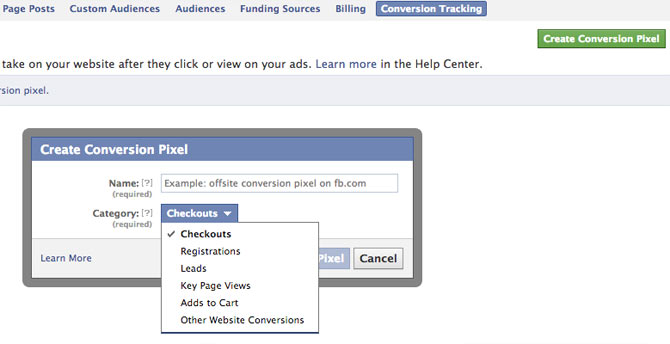
We observe actual conversions up to 10 times higher in Facebook's reporting compared to Google Analytics. This difference occurs because Facebook can track people across devices and circumvent the cookie problem on mobile.
Furthermore, tracking the customer's journey to purchase is complex. However, Facebook claims to possess the most accurate data available. Last click attribution (your default setting if you haven't changed it) only counts the final click before purchase.
Measuring True Facebook Advertising Impact
The "direct/none" and "keyword not provided" buckets often contain social traffic, which remains secure. Additionally, view-through conversions on one day, seven days, or 28 days help you count purchasers who saw a Facebook ad before eventually converting through search results, email, or other marketing events.
If you want to measure the true value of your Facebook marketing, examine how your fans engage across different devices. These engagement patterns serve as proxies for understanding placement effectiveness in your overall strategy.